Work and Economy
In Södertälje, unemployment is higher than both the regional and national averages. Far too many people are without work, while at the same time businesses struggle to find staff and the welfare sector needs more people who can contribute. The problem is not the jobseekers – it is the policy.
When the state withdrew from its responsibility for the Public Employment Service, people were passed on to private providers of varying quality – many lacking the capacity to fulfill the task. For many jobseekers, this meant worse support and increased insecurity, instead of better opportunities to find work. We want to take back control from private actors and build a strong, municipal employment service in Södertälje, with a clear goal: jobs and self-sufficiency for everyone who can and wants to work.
We want to invest in more vocational training, strengthened Swedish for Immigrants (SFI), internships, and subsidized employment schemes. People should move closer to work and self-sufficiency – not get stuck in a carousel of different measures. Young people entering the labor market should be met with support, not closed doors.
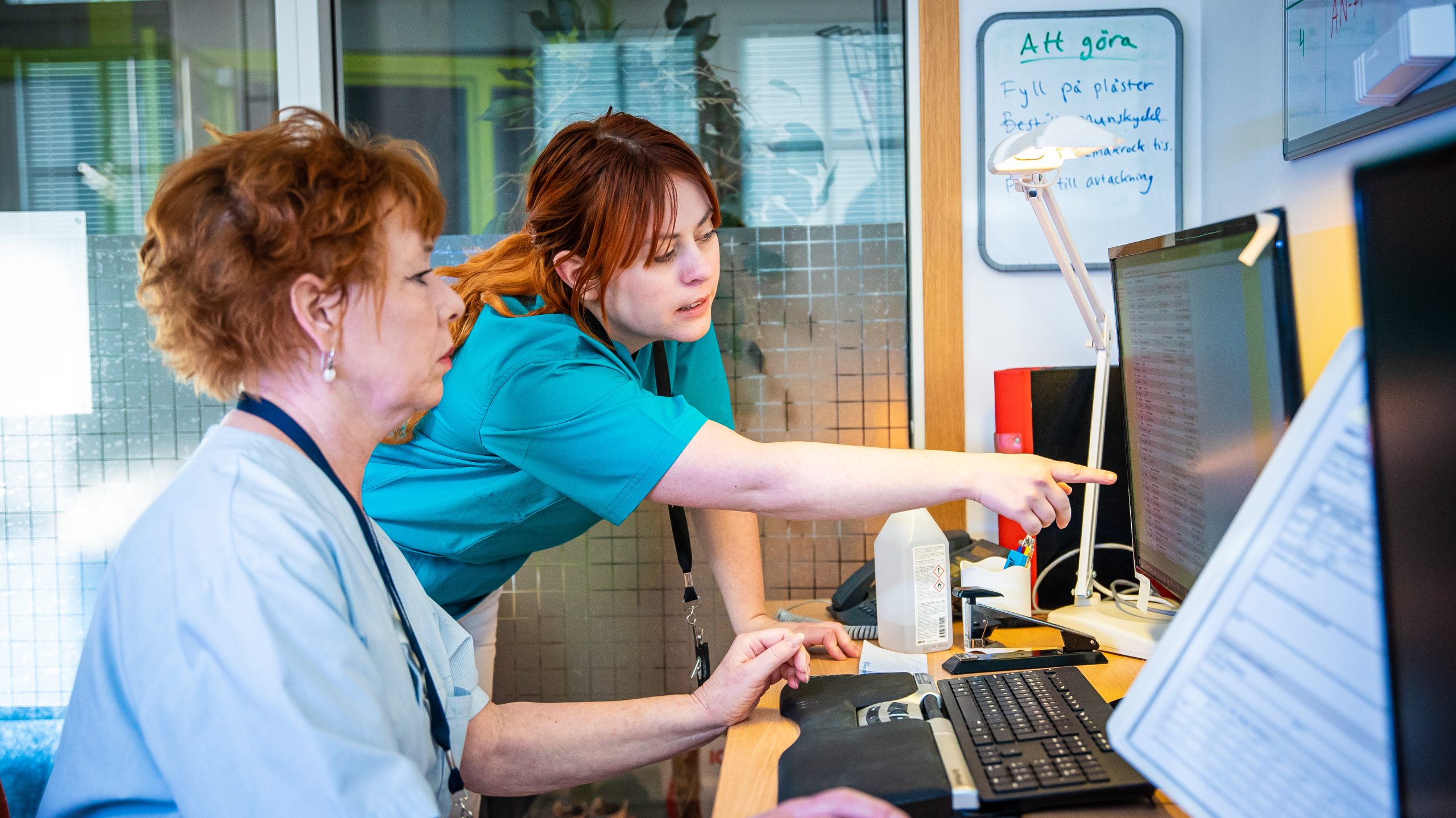
The municipality should be a good employer and a driving force for an inclusive labor market. We want to raise wages for the lowest-paid and shorten working hours for all municipal employees. Those who sustain healthcare, schools, and care services should not be worn out. A job should provide a living – and a life.
Investments in green infrastructure can both reduce emissions and create jobs here and now. A fair climate transition should not be paid for by ordinary people – it should create new opportunities and long-term prosperity.
Housing and Urban Development
The shortage of rental housing with reasonable rents makes life difficult for many. The problem is not the housing shortage itself – it is housing policy.
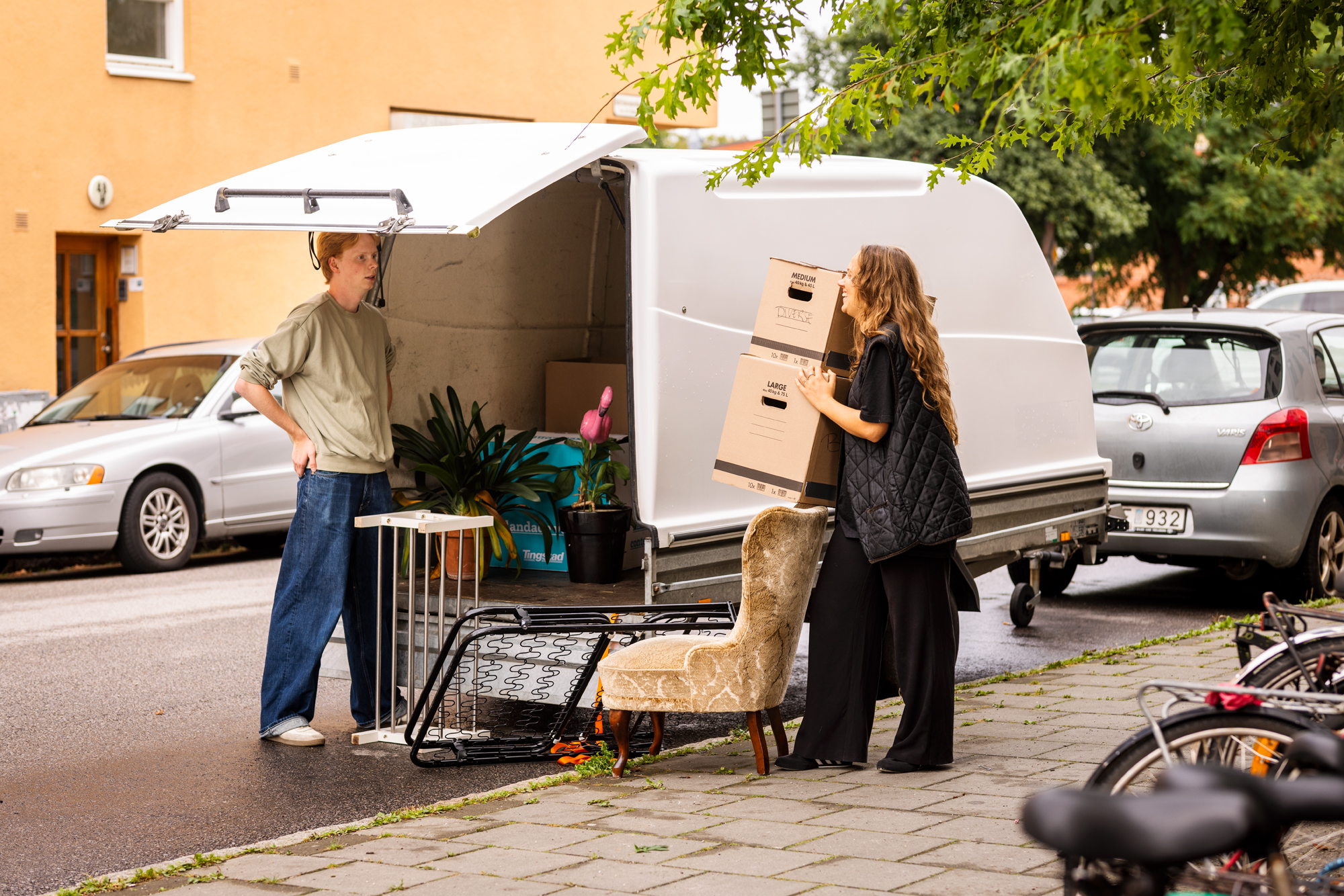
We want more affordable rental housing to be built and to strengthen public housing. Telge Bostäder should have a clear social mission – not be governed by short-term profit demands. Renovictions and sharp rent increases must be stopped. Södertälje should regain control over housing development through long-term planning instead of speculation. Housing should be built that ordinary people can afford, and small houses and townhouses should also be included within public housing.
The city should be cohesive. We want green, safe, and vibrant urban environments with parks, squares, and meeting places. In the long term, Södertälje should develop into a 15-minute city, where everyday life works without having to be planned around the car. Schools, services, culture, and nature should be close to where we live – regardless of where we live.
The climate transition should be visible in everyday life. Solar panels on rooftops, local energy production, charging stations, and opportunities for urban gardening in residential areas will make Södertälje more self-sufficient, more sustainable, and more resilient to future crises.
At the same time, the state and the region must take greater responsibility. Municipalities cannot carry everything alone. We want long-term government grants, investments in housing construction and railways, and a national public transport pass for all of Sweden.

Safety and Security
Safety is about more than just more police officers and surveillance cameras. Safety means being able to live your life without fear. It means knowing that help is there when life falls apart. It means children growing up in stable environments and older people aging with dignity. That kind of safety can only be created in a strong and equal society.
Social security begins early in life. That is why we want to strengthen women’s and youth shelters and expand the number of family centers, to build stronger and more accessible support for families in need. Social services must have sufficient resources to work preventively, long-term, and humanely – not just put out fires once problems have already grown large.
Preventive safety work must be strengthened. More outreach workers, close cooperation between schools, social services, and the police, and a visible presence in residential areas can reduce recruitment into crime. But it is just as important to give young people something to feel safe in. Meaningful leisure time, open youth centers, culture, and sports should be available close to where young people live. Safe and well-maintained outdoor environments, better lighting, and vibrant meeting places do far more for safety than more cameras, locked doors, and empty streets.
Older people should be able to live safely, with elderly care governed by needs – not by minutes or profit motives. Staff in elderly care should have secure employment, fair wages, and good working conditions.
We will combat organized crime and stop profit-driven models that enable welfare fraud. We want to limit the ability of for-profit welfare companies to establish themselves in Södertälje. Our care services should be governed by people’s needs – not profit motives.
Safety is also created through hope for the future. More support for jobs and education gives people the opportunity to shape their own lives. A society where people have work, good housing, and a sense of community is a safe society.
Preschool, School, Children and Young People
In Södertälje, schools should be places where all children have the same opportunity to succeed, regardless of background. Today, a market-driven school system contributes to increasing inequalities between schools and between students. We want a school system governed by educational needs – not by profit demands and competition logic.
We want more adults in schools. That means more teachers, more after-school educators, and more trusted adults in students’ everyday lives. When staffing levels are sufficient, there is better classroom calm and study conditions, and students who need extra support can receive it earlier.
Preschool must be strengthened. Smaller group sizes are crucial for children’s language development, security, and learning. Preschool is one of society’s most important educational missions – not babysitting. When children are given a strong pedagogical start in life, inequalities later in the school system decrease. This also requires better working conditions for preschool teachers and childcare workers, so they can and want to stay and build long-term quality in their workplaces.
School health services should be easily accessible and have sufficient resources to work preventively against mental ill-health, stress, and social problems among children and young people. Support should be close to students and a natural part of the school’s work.
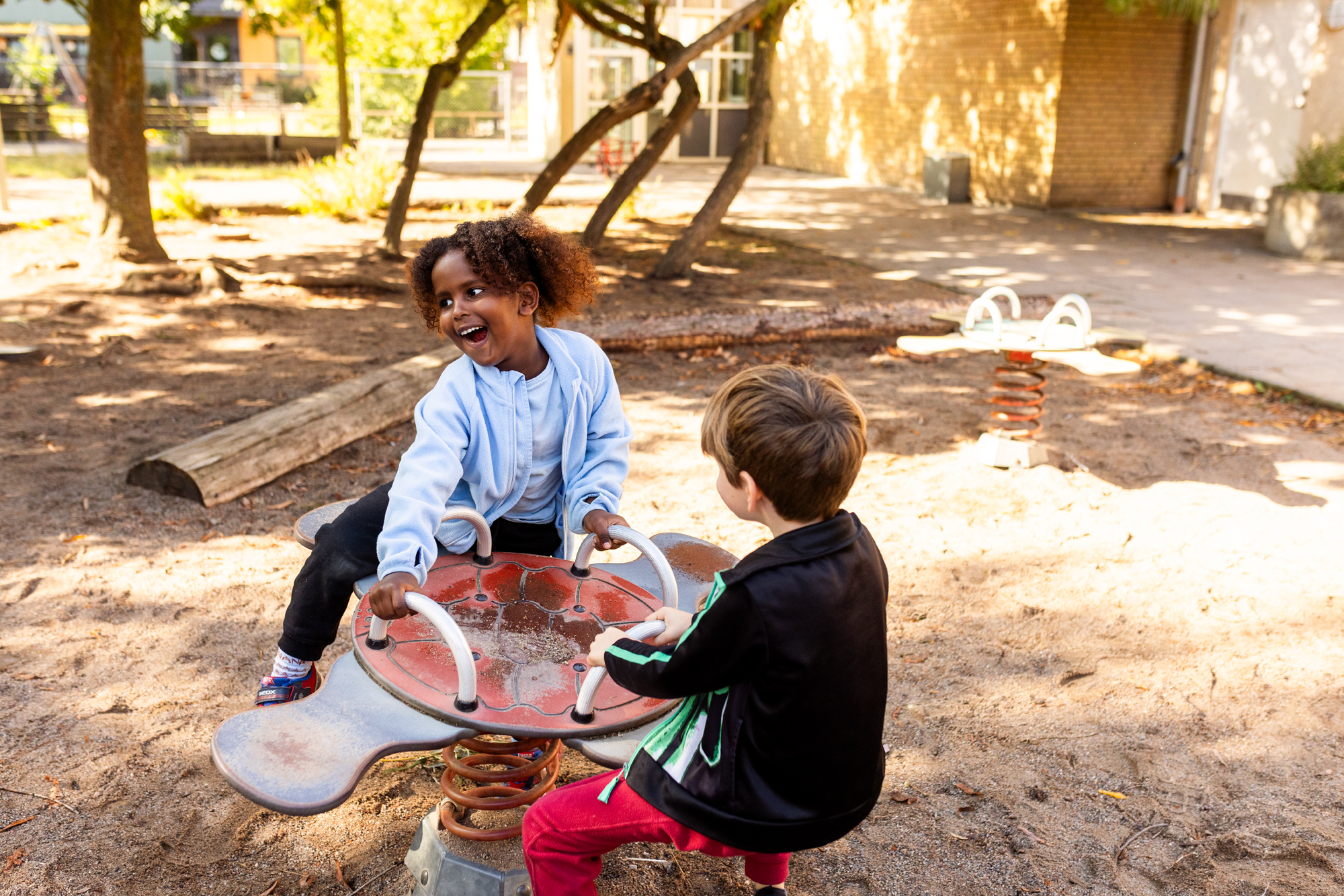
Leisure-time services are an important part of the school’s compensatory mission. We want more after-school educators, more accessible leisure centers, and more free activities after school hours. Children’s access to an active leisure time should not be determined by their parents’ finances.
We want to completely stop profit extraction in schools. Publicly funded education should go toward students’ learning, staff working conditions, and school quality – not private profits.
Free homework support should be offered, and in the long term we want to explore a more homework-free compulsory school system, where students have more time to work on school tasks together with teachers during school hours.